
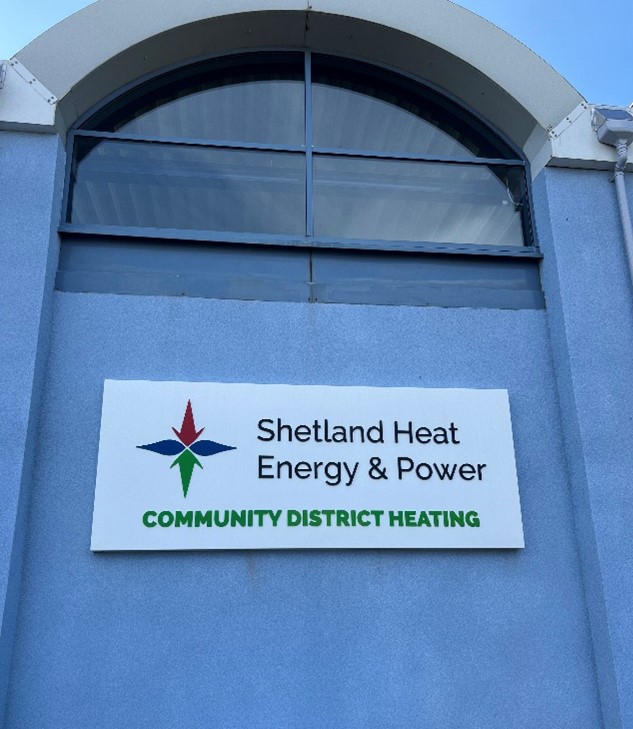
On a recent visit to Shetland in July 2024, Jack Nevin had the opportunity to tour the Shetland Waste to Energy Plant and the Shetland District Heating Facility. This system has been in place since 1998, and provides a quarter of the heat and hot-water for Shetland. The district heating scheme in Lerwick harnesses the heat generated from the incineration of unrecyclable waste – as well as the by-products of other industrial generations – to provide affordable, local and sustainable heat for thousands of customers around the community. Amongst those benefiting from the district heating scheme are the church building, hall and (privately-let) rectory for St Magnus. The congregation is relieved and grateful to benefit from affordable heat, as a result of the scheme.


According to Zero Waste Scotland, the Lerwick Waste to Energy plant is rated the most efficient, and produces the lowest emissions, of all waste incineration plants in Scotland. The first of its kind in Scotland, the Waste to Energy plant processes 20,000 tonnes of non-recyclable waste (3 tonnes an hour). This generates hot water, which is in turn sold to Shetland Heat Energy and Power, where it is processed and distributed around the town. The scheme is based on a Danish model to benefit all sectors of the economy; providing heat to the ferry terminal, supermarkets, hospital, fire and police services, leisure centres and all council buildings. The efficient waste management system, and affordable heating, benefits the whole community through keeping council tax low. More than 900 domestic and 350 social housing properties also receive their heat from the district heating scheme.
The District Heating system contributes to the circular economy of Shetland in harnessing energy and production by-products, for example excess heat from the generators at the Shetland Power Plant. All recyclable materials are removed from waste before processing. These recyclables are then processed on the Mainland, rather than being exported elsewhere. All non-recyclable waste from Orkney – and a proportion of waste from mainland Scotland – are also processed via incineration. The emissions cleaning systems within the Waste to Energy system are of the most modern design and fully comply with all SEPA standards. This means the energy generated has as low emissions as possible. Hot water distributed by the district heating system interacts with heat interfaces throughout the town, circulating and transferring heat directly into properties.
Heat provided via the district heating system is cheaper than that generated via electricity, domestic oil, air source heat pumps and mains gas. Tariffs on heat and hot-water provided by district heating have risen 1.2% in 12 years, compared to a comparable 21% rise in electricity tariff rises in the same period. There was no increase in price at all during Covid, in order to support the community as much as possible. All revenue derived from the district heating scheme is gifted to the Shetland Charitable Trust and directly invested within the community. District heating is not tied to any one energy generation system. Incineration and waste harnessing are currently the main sources of energy generation; however, other methods of generation could be incorporated in the future.


Enough heat is generated in the Waste to Energy system to heat hundreds of thousands of homes, and the district heating system in Lerwick will hopefully one day supply all heat for the town. There is also an eye to build further heat networks throughout Shetland. With the use of landfills being banned by 2025, many other areas and local authorities are moving towards or considering waste to energy management and related district heating schemes. In accordance with Government plans, the amount of Scotland’s heat demand provided by heat networks is expected to increase from 1.5% (current) to 8% (by 2030). This is an exciting low emissions heating system which could benefit many more church buildings in the future.

Jack Nevin, Innovation Coordinator


