
The story in brief
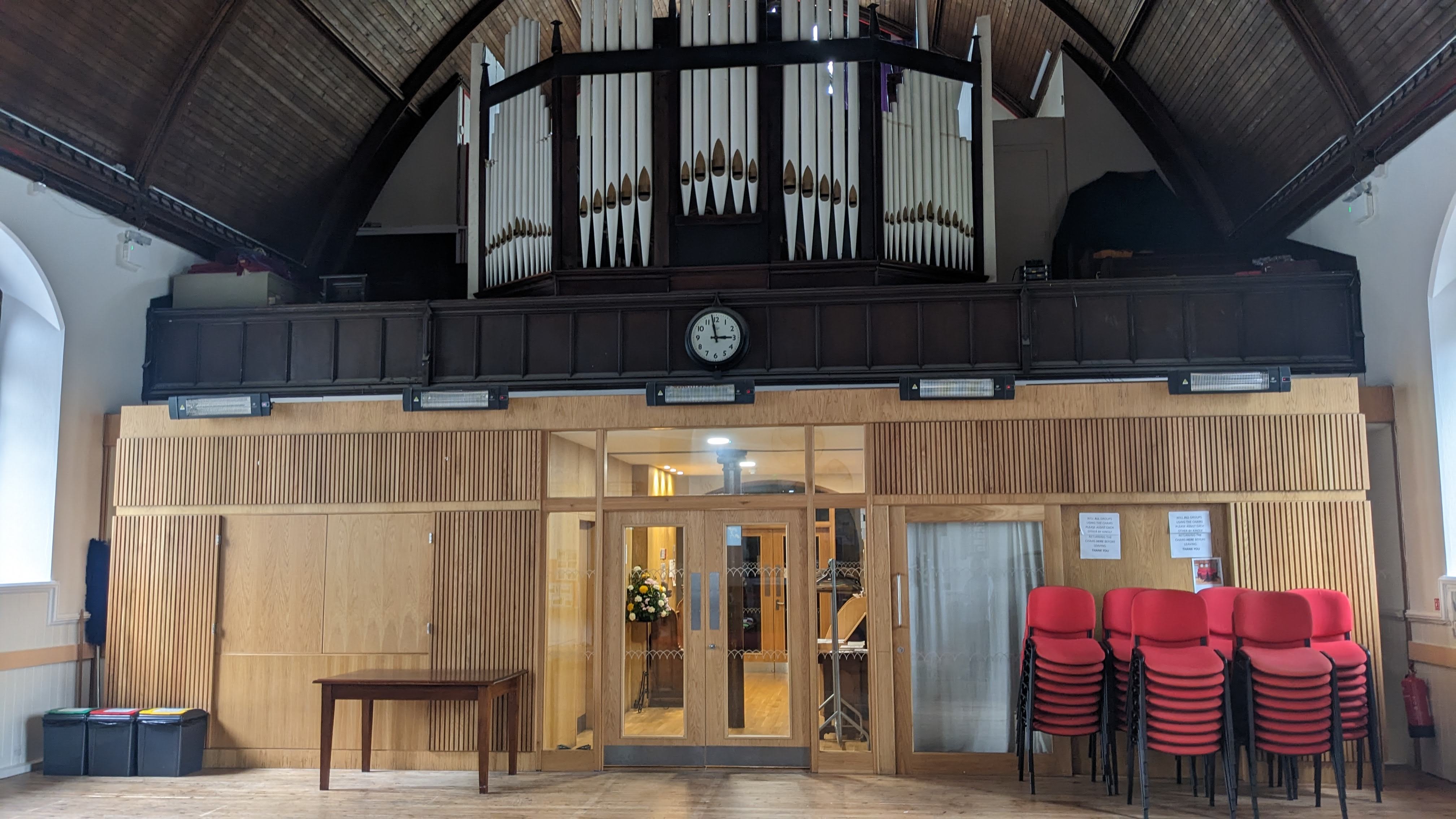
St Martins of Tours is a Scottish Episcopal Church in Gorgie Dalry in Edinburgh. About 10 years ago (in the 2010s) the church started raising funds to renovate the building. The church building is now leased to a charity that was established to manage the building, providing space for worship and a resource for the local community.
The building hosts St Martin’s Community Resource Centre (SMCRC), a charity and community hub in the heart of Gorgie Dalry, Edinburgh. The church rents space for its services as required and has church members on the board of SMCRC.
The refurbishment cost over £600,000 with funds raised from a variety of means.
The benefits of separating the church from the building
The church is no longer responsible for the day to day running of a community resource. This frees up time to concentrate on mission and provides a separate structure that is responsible for the management of a resource that is valued across the community.
A wide variety of community organisations use the building regularly, from social activities, language classes, piano lessons, fitness classes, arts groups, Spokes and, of course, St Martin’s Episcopal Church. These rentals bring income to the building that allows it to operate and cover its costs.
Raising the money
£600,000 is a lot of money to raise and involved far more than writing a few letters to potential funders. This is how they did it.
The first thing the church did was create a mission-based vision for their Transformation Project. Their building layout posed a number of challenges such as poor disabled access, catering facilities located away from event spaces and a lack of private meeting spaces. To understand how people would like to use the building, the church carried out a community audit, asking people what they wanted from the church’s building.
The church set up a fundraising committee that raised funds through many different events: sponsored walks/cycles, coffee mornings, afternoon tea parties, bag packing at supermarkets and other activities – even a Three Peaks challenge. Everyone was encouraged to join in and contribute in whatever way they were able. Fundraising was very much a 360o activity which included everything from small scale events, seeking support from local retailers or businesses to legacies and writing to grant making trusts.
The fundraising committee helped to maintain the enthusiasm and energy for the Transformation Project by providing regular feedback and ensuring everyone was thanked for their help.
The Transformation Project was phased to allow funding that needed to be spent by specific dates to be allocated and spent as required.
As the fundraising continued it became apparent that it was possible to broaden the numbers of potential funders by establishing a separate charity from the church. This, along with making the centre attractive to a wider range of people, was one of the drivers for establishing St Martin’s Community Resource Centre as a separate charity.
Energy use
The building is heated by infra-red radiant heaters, supplemented by some on peak electric radiators. The church reports that this works reasonably well and is economical – the accounts show utilities costs of around £4,000 per annum.


Links
- Welcome to St Martin’s – St Martin of Tours Episcopal Church, Edinburgh (stmartinsedinburgh.org.uk)
- What’s on – Welcome to SMCRC
Daniel Prince, Clean Energy Advisor


